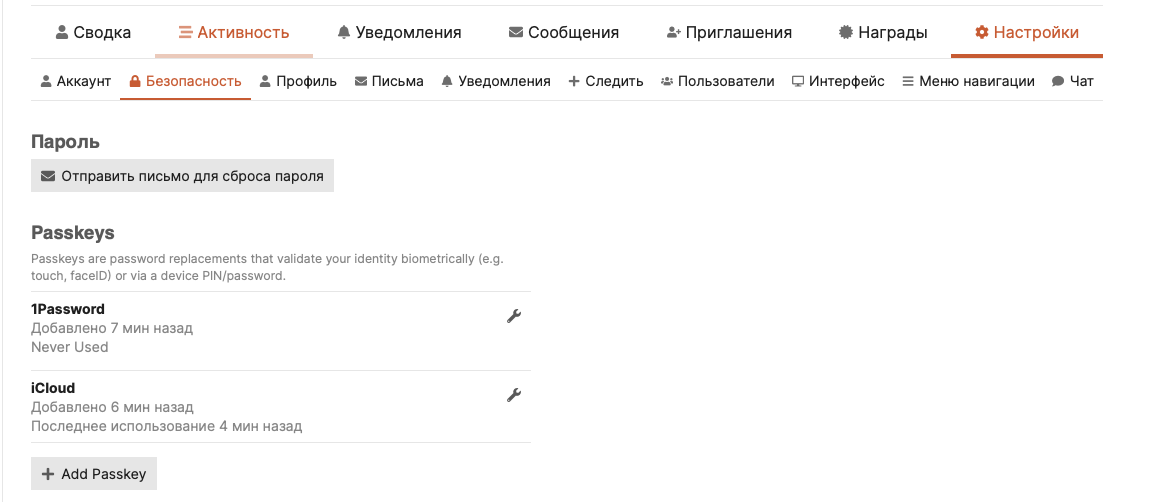
Passkeys provide several benefits for website authorization, including enhanced security and a more user-friendly experience. Here’s a brief overview of the advantages:
Stronger Security: Passkeys are a form of multi-factor authentication that are inherently resistant to phishing and many other common attacks that passwords are vulnerable to. They are created and stored on the user’s device and use cryptographic techniques which ensure that they are not exposed to servers or intercepted during authentication processes.
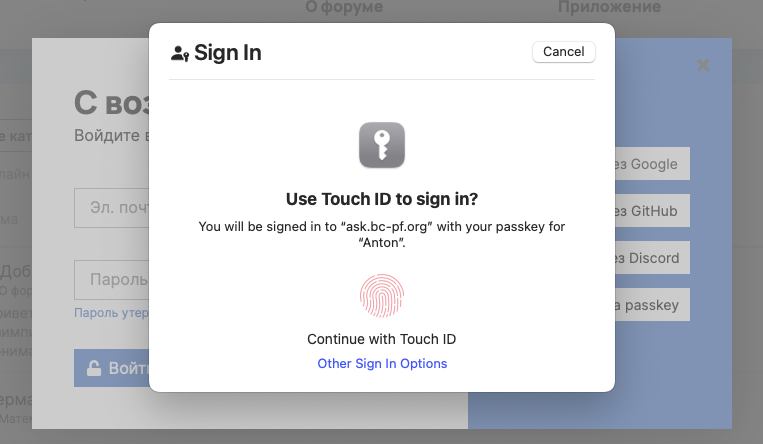
Convenience: Passkeys can often be used with biometric authentication (like a fingerprint or face scan) on a user’s device, which simplifies the login process and eliminates the need for users to remember complex passwords.
Cross-Device Compatibility: Modern implementations of passkeys aim to be easily shareable and usable across different devices, often relying on the native capabilities of the devices to securely sync or access these keys.
Standardization and Support: With the backing of major companies such as Apple, Google, and password managers like 1Password, passkeys are becoming increasingly standardized, improving interoperability across different platforms and services.
No More Password Breaches: Since passkeys do not require the storage of passwords on a server, data breaches at a website won’t result in compromised user credentials, as the passkeys are never actually transmitted or stored on the server.
In essence, passkeys aim to replace traditional passwords by leveraging public key cryptography, offering a more secure and user-friendly method of protecting users’ online accounts.